Skin Conditions We Analyze & Treat
Understand the root causes of common skin concerns and discover personalized treatments backed by AI skin analysis.
Common Concerns Identified by AI
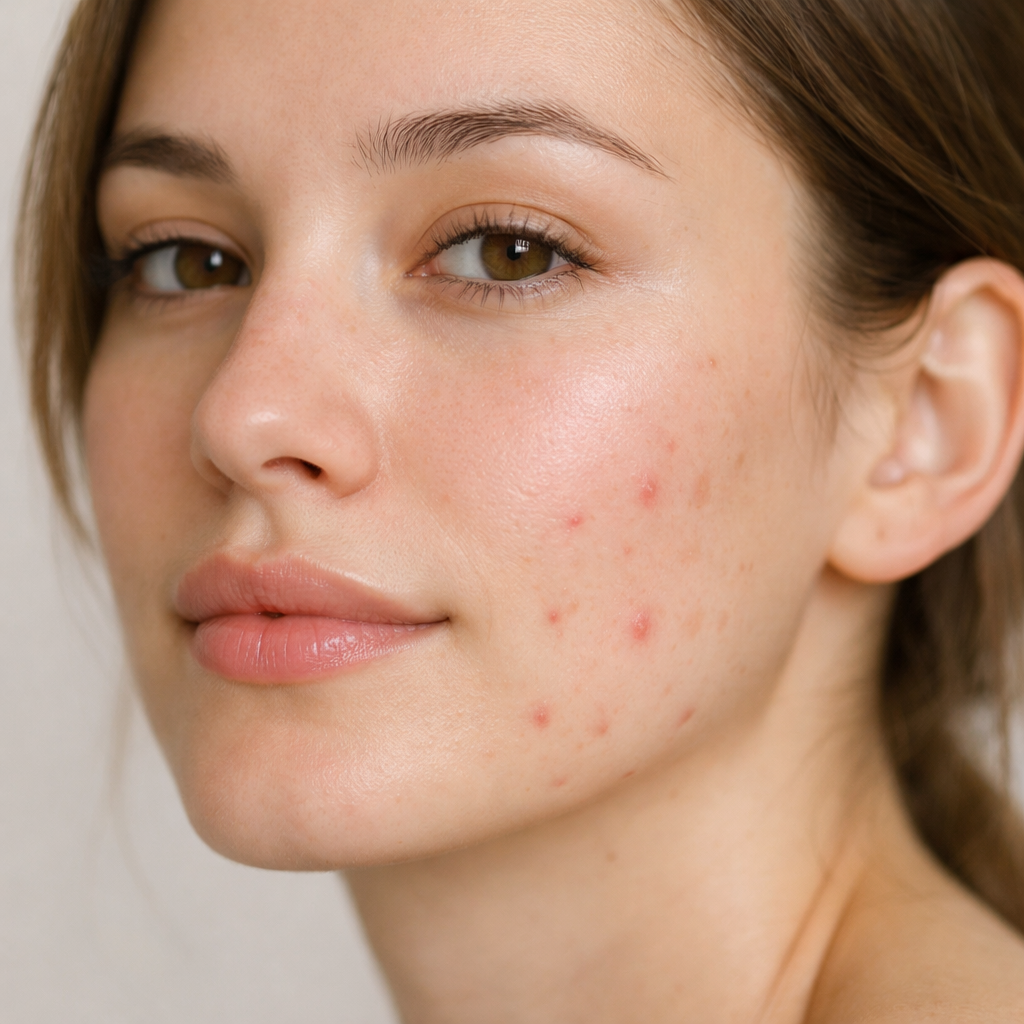
Acne
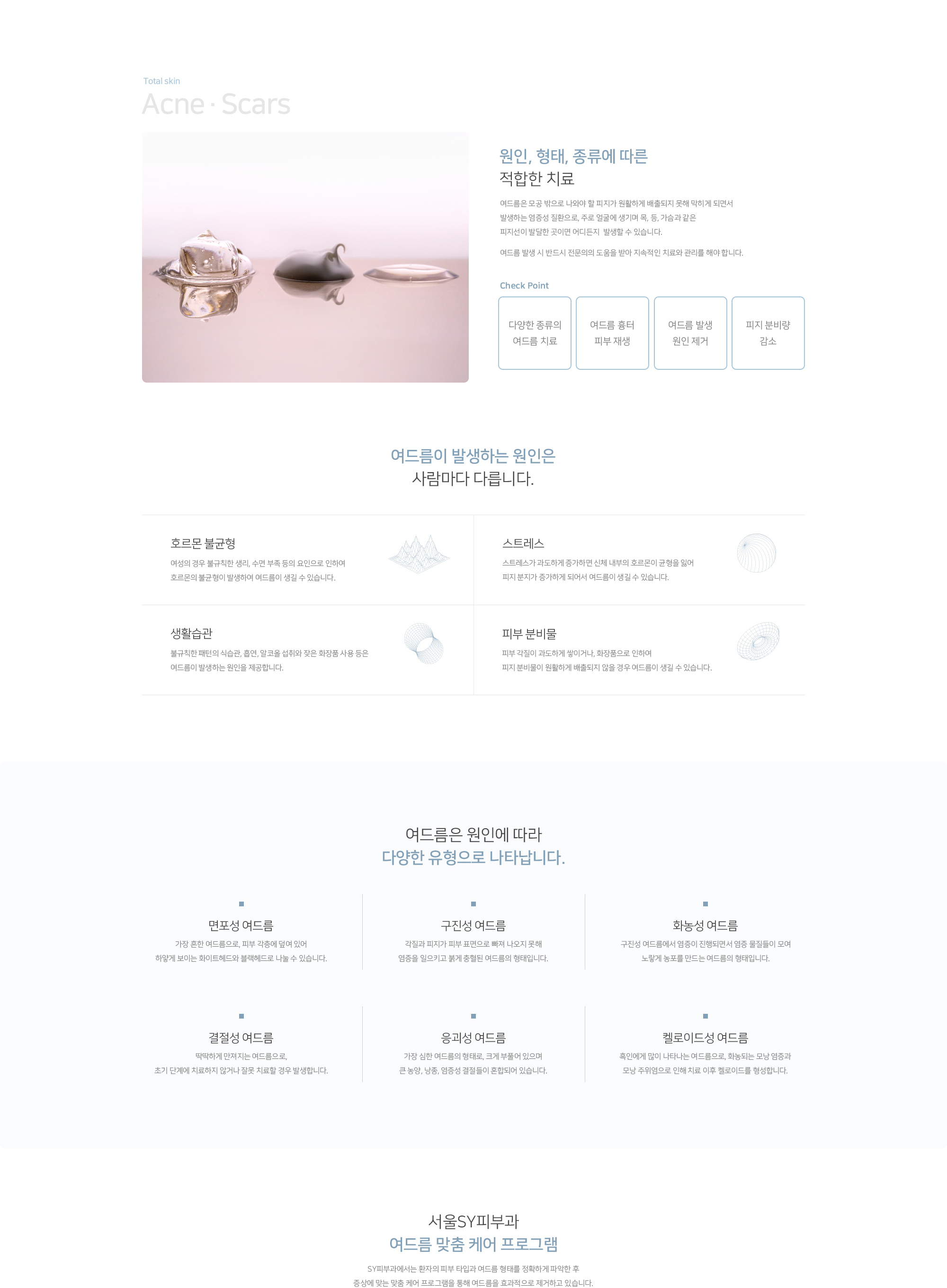
Acne causes breakouts ranging from mild blackheads to deep, painful cysts. It can appear at any age, but hormones, oil production, and bacteria are the most common drivers. Your specific type and triggers determine the right treatment approach.
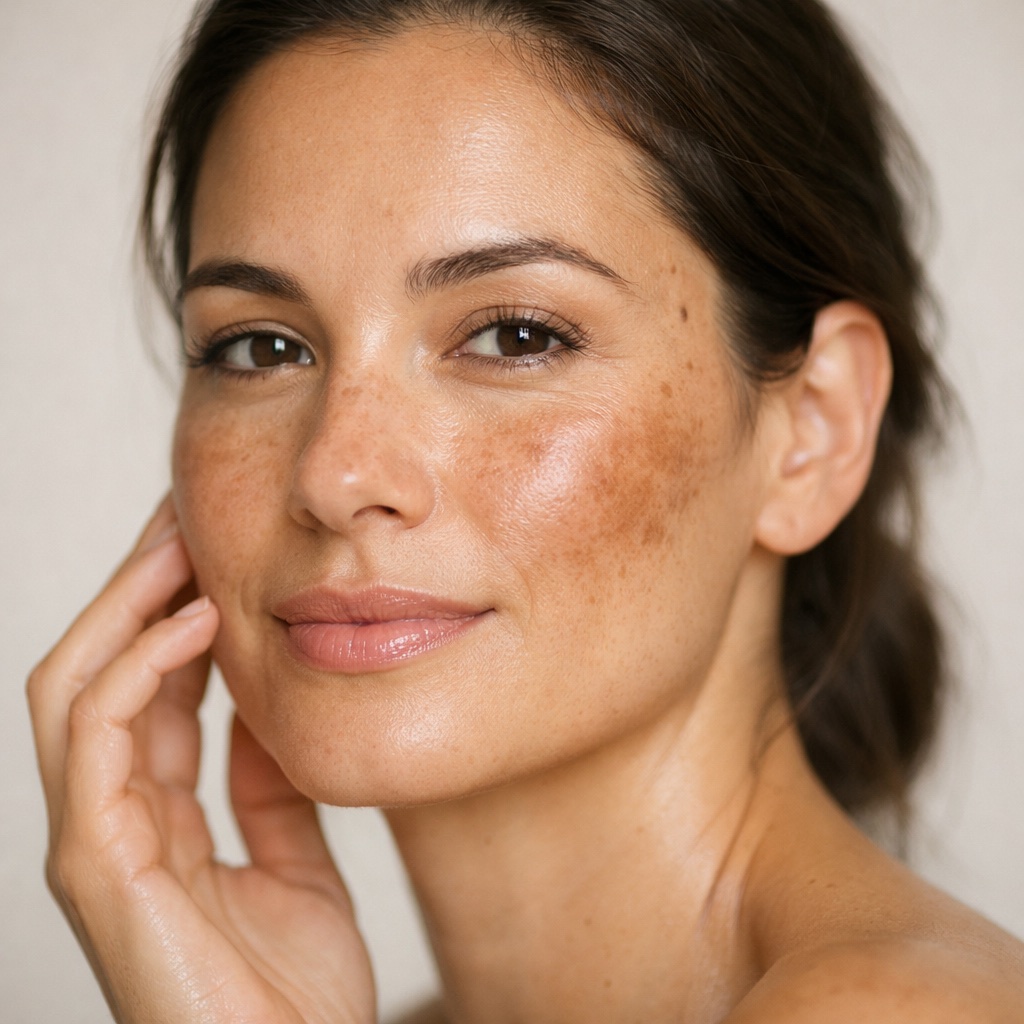
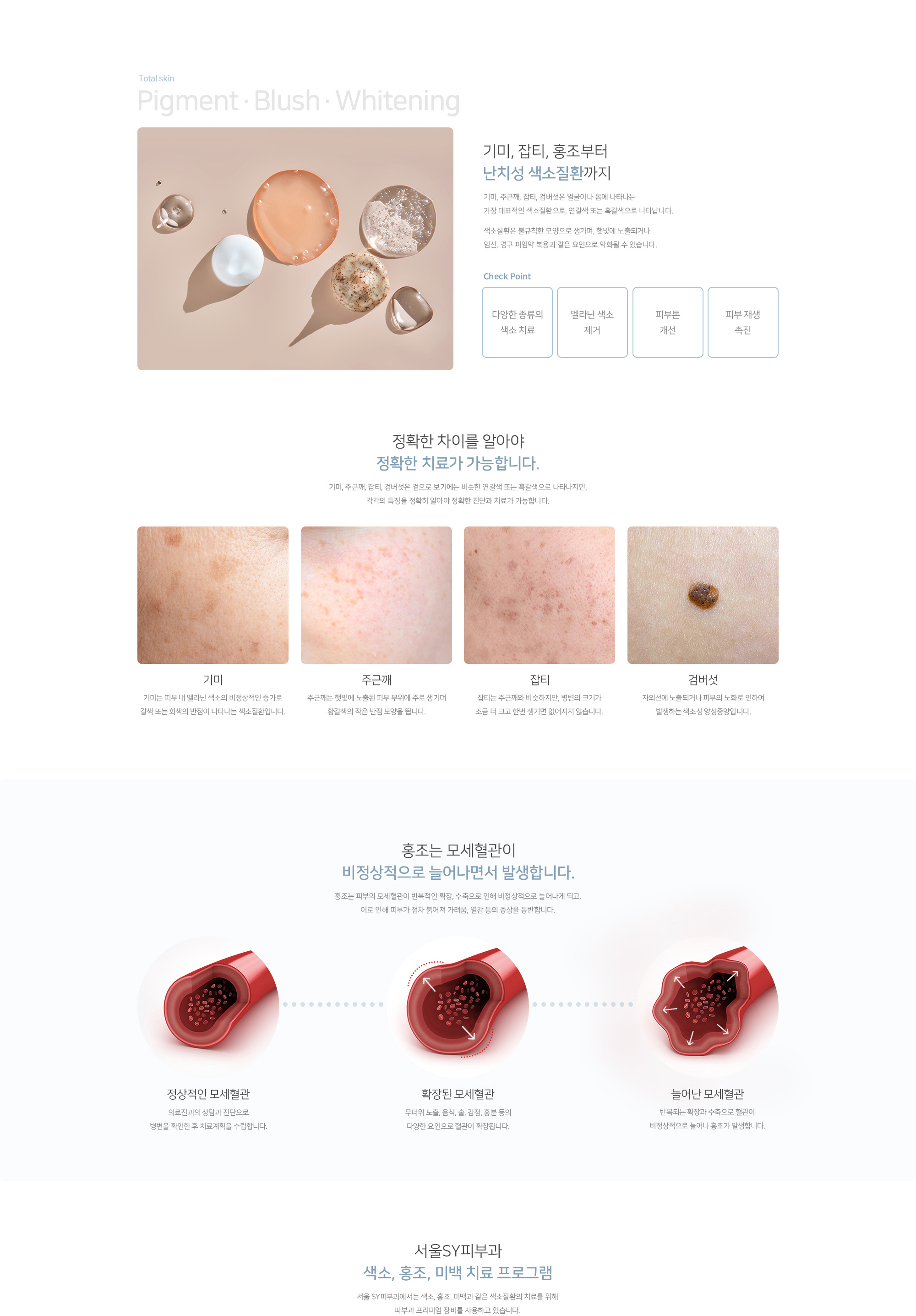
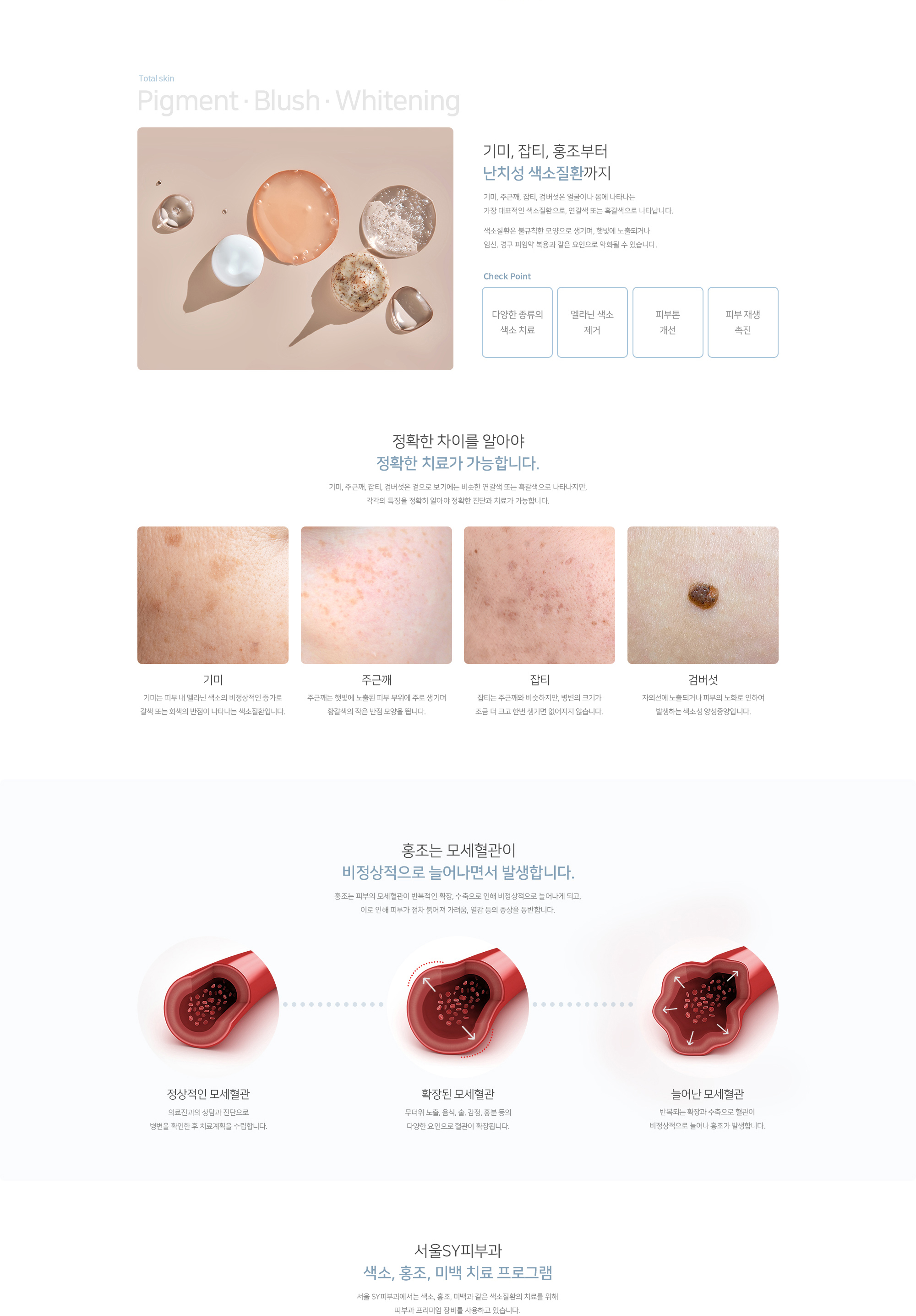
Pigmentation
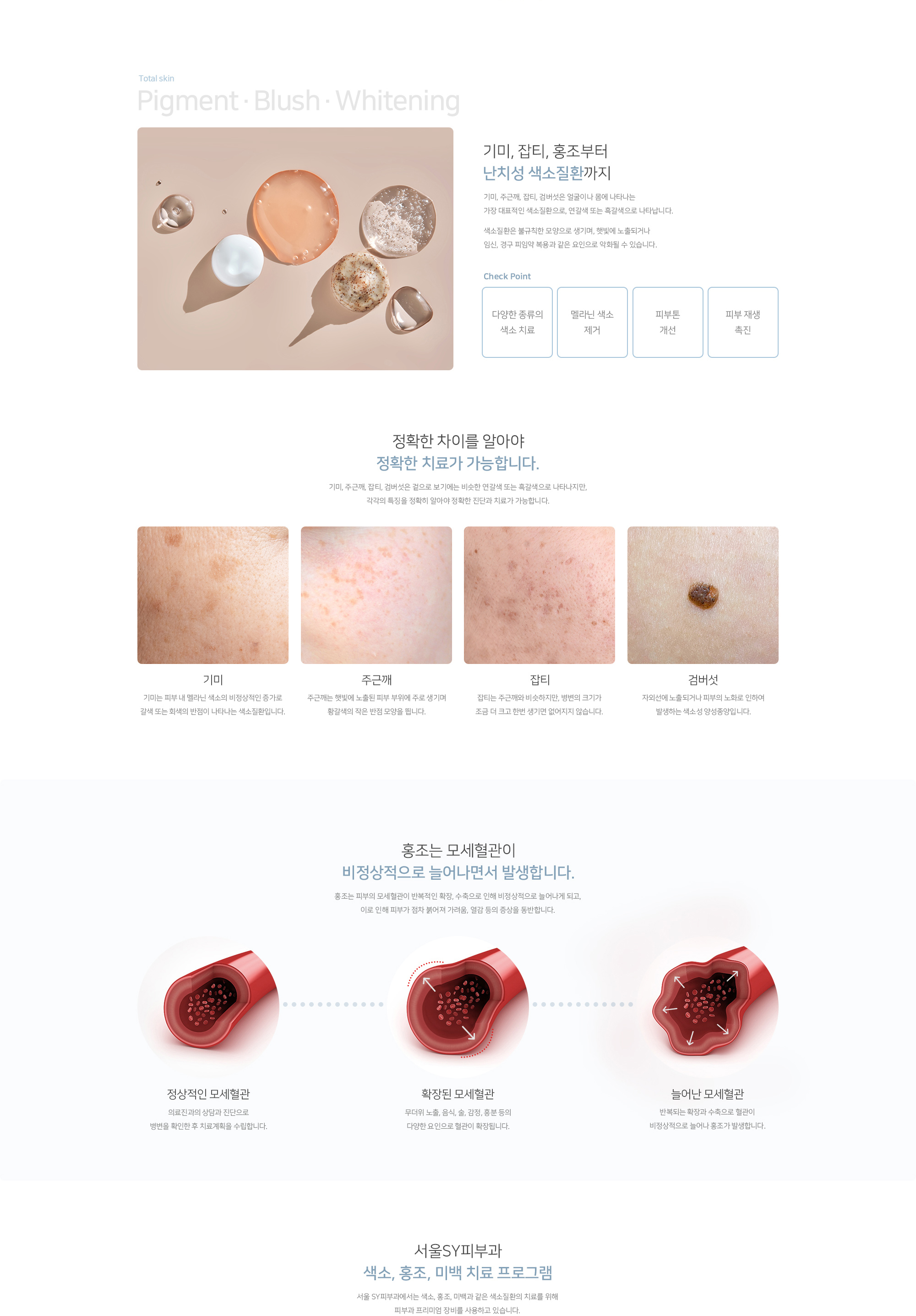
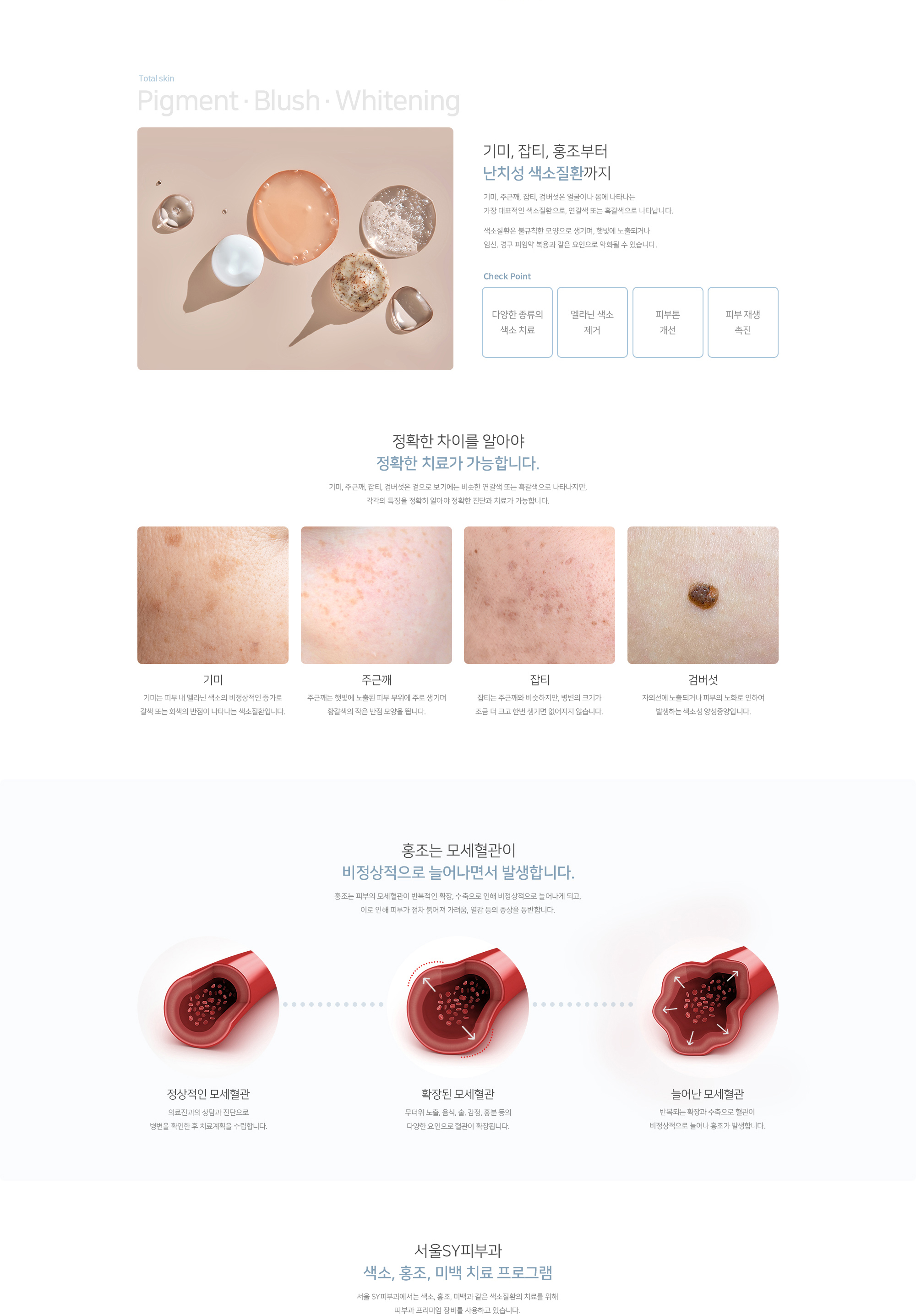
Pigmentation causes uneven dark patches or spots when your skin produces too much melanin. Sun exposure, hormones, and inflammation are the most common triggers. Where the pigment sits in your skin determines which treatment will be most effective.
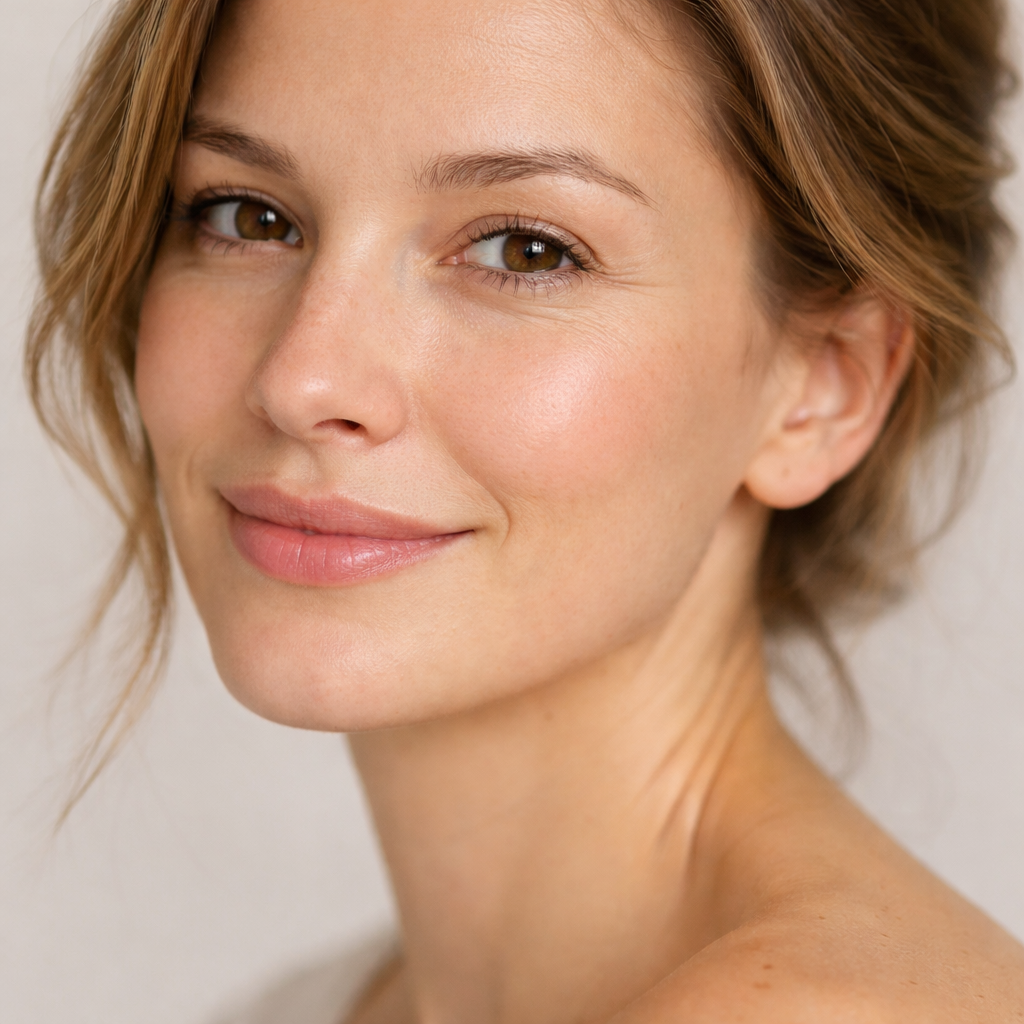
Wrinkles & Fine Lines
Wrinkles and fine lines form when your skin loses collagen and elasticity over time. Sun exposure, repetitive facial movements, and natural aging speed up this process. Early care helps slow visible signs and keeps skin looking smoother longer. [Close-up showing fine lines vs. deeper wrinkles on forehead/eye area]
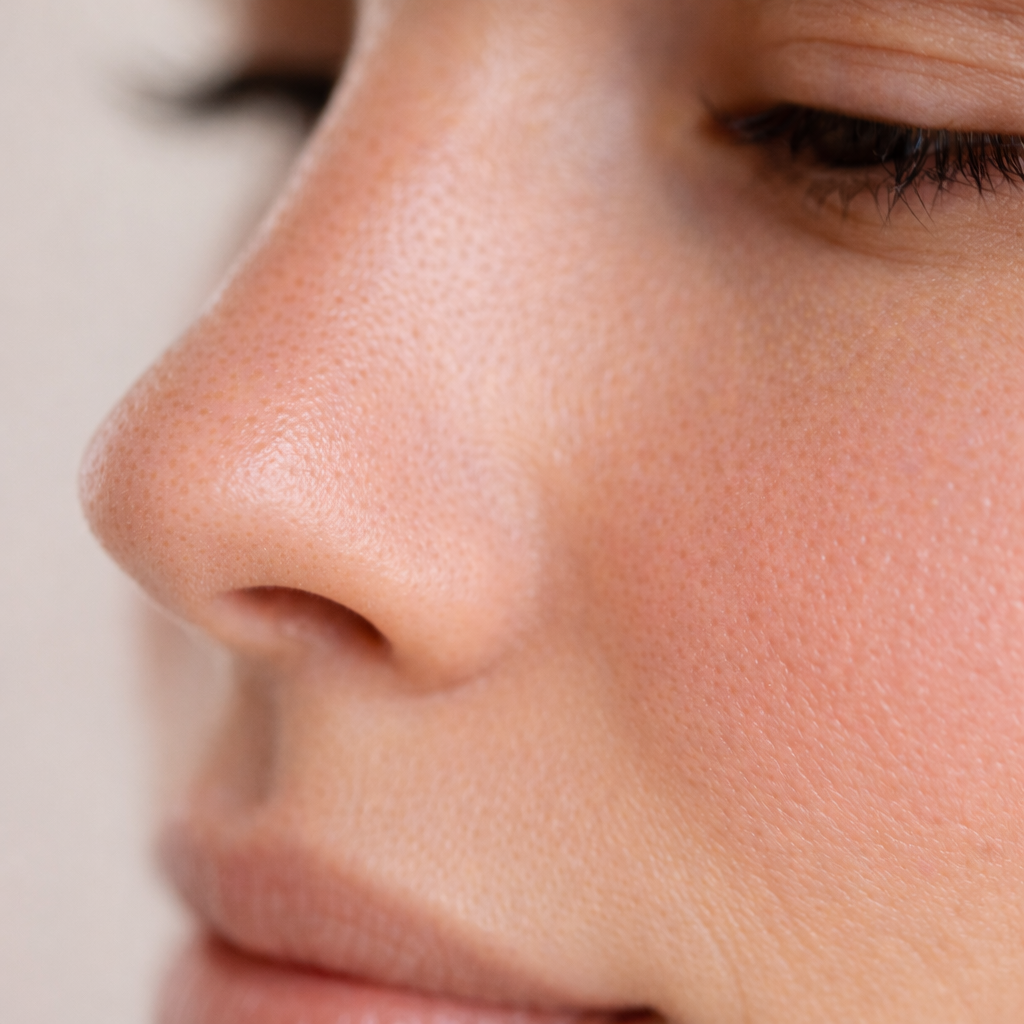
Enlarged Pores
What Are Enlarged Pores? Each facial pore is a hair follicle opening connected to an oil gland. When sebum production rises or the skin loses structural support, the opening stretches and becomes visible. Genetics, age, and UV exposure determine how prominent they get.
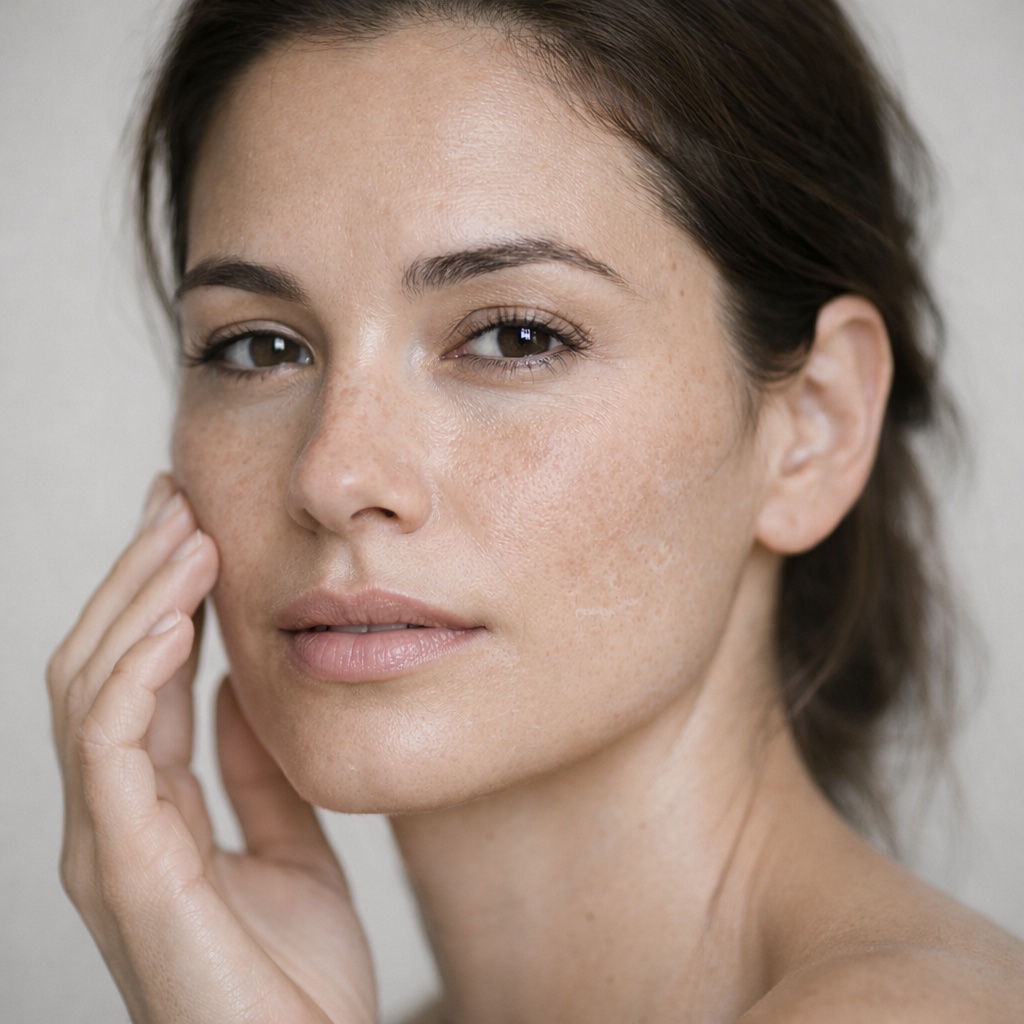
Dryness & Dehydration
Dry skin (xerosis) and dehydrated skin are distinct but often co-existing conditions. Dry skin lacks oil due to insufficient sebum production, while dehydrated skin lacks water in the stratum corneum. Both compromise the skin barrier, leading to tightness, flakiness, and accelerated aging. Understanding the difference is key to effective treatment.
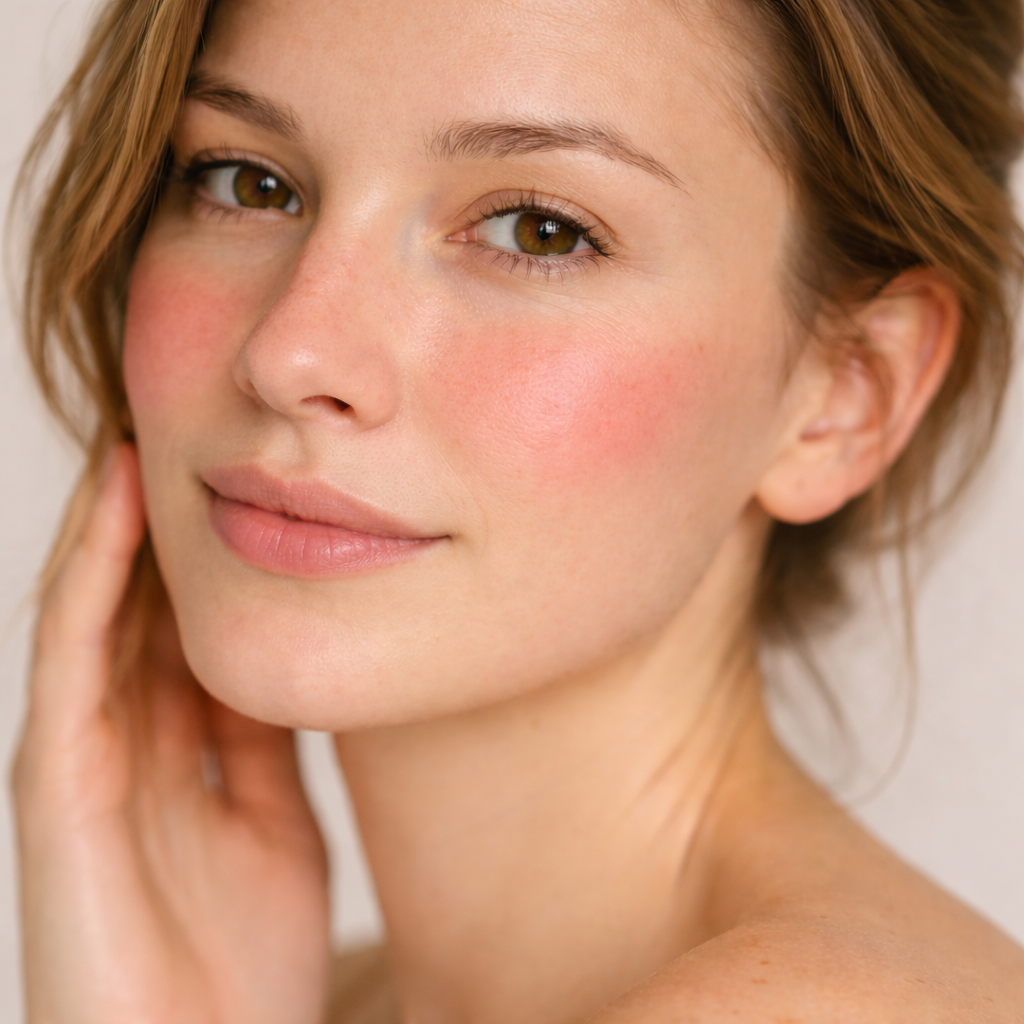
Rosacea & Redness
Rosacea is a chronic skin condition that causes redness, flushing, and visible blood vessels, mainly on the face. Triggers like heat, stress, and certain foods can make flare-ups worse. Proper diagnosis helps you manage symptoms and protect your skin. [Close-up showing facial redness and visible blood vessels on cheeks]
Acne Scars
Acne scars form when deep breakouts damage the skin and it heals unevenly. Scars can be depressed, raised, or discolored. The type and depth of your scars determine which treatment will work best.
Dark Circles
Dark circles are shadowy discolorations beneath the eyes caused by thin skin, pigmentation, or visible blood vessels. Genetics, lack of sleep, and aging all play a role. Identifying your type is the first step toward the right solution. [Close-up showing different dark circle types under the eye area]
Sagging Skin
What Is Sagging Skin? Sagging skin happens when collagen and elastin break down and facial tissues start to drop. Gravity pulls tissue downward along the jawline, cheeks, and neck. Age, sun exposure, and lifestyle choices control how fast firmness fades.
Treatments available for these skin conditions
Clinics specializing in Acne

Benjamin Clinic
Premium dermatology clinic near Sinsa Station staffed entirely by board-certified dermatologists, led by Dr. Noh Sung-min (Yonsei University College of Medicine). Specializing in lifting (Ulthera, Thermage FLX, Titanium), anti-aging injectables (Sculptra, Radiesse, skin boosters), and skin texture/pore/scar treatment. Personalized 1:1 consultation with AI-powered 3D skin analysis.

Seoul SY Dermatology
Boutique dermatology clinic near Apgujeong Station led by Dr. Kim Soo-young, a former dermatology professor with 12 years of experience and Johns Hopkins research fellowship. Specializing in lifting (Thermage FLX, Densiti, Shurink), skin boosters (Juvelook, Rejuran), and personalized 1:1 consultation with AI skin analysis.


Unsure About Your Skin Concern?
Our AI-powered skin analysis can identify your skin concerns in seconds. Get personalized recommendations backed by dermatological data.
Step-by-Step Process
How AI Skin Analysis Detects Skin Conditions
- 1
Image Capture
A high-resolution photo of the face is taken via smartphone camera under controlled lighting.
- 2
Preprocessing
The image undergoes resizing, noise reduction, and feature enhancement to highlight skin details like pores and texture.
- 3
AI Detection
Deep learning models (e.g., CNNs) analyze surface and sub-surface features, identifying issues like wrinkles, acne, texture, or pigmentation by comparing to vast databases.
- 4
Report Generation
Results form a personalized Skin Code with tailored recommendations, benchmarking against age-matched data.
Frequently asked questions
Can AI analysis diagnose skin cancer?
No, it detects cosmetic concerns like wrinkles or acne, not medical diseases — see a doctor for any suspicions.
What if results differ from a dermatologist's opinion?
AI analysis is a complementary tool. For clinical decisions, always consult a licensed dermatologist.
Are the clinics certified?
All clinics in our network are vetted dermatology clinics with verified medical licenses.
Can I book a consultation online?
Yes, you can book a free consultation through any clinic detail page after the AI analysis.